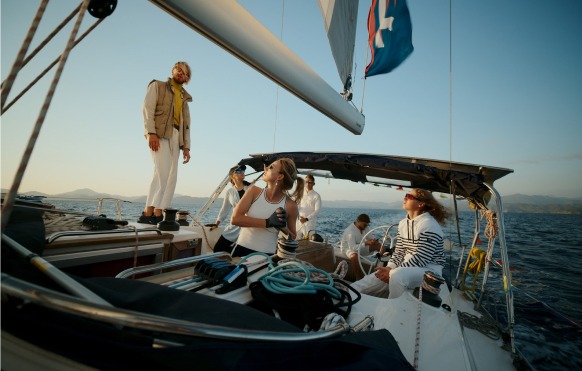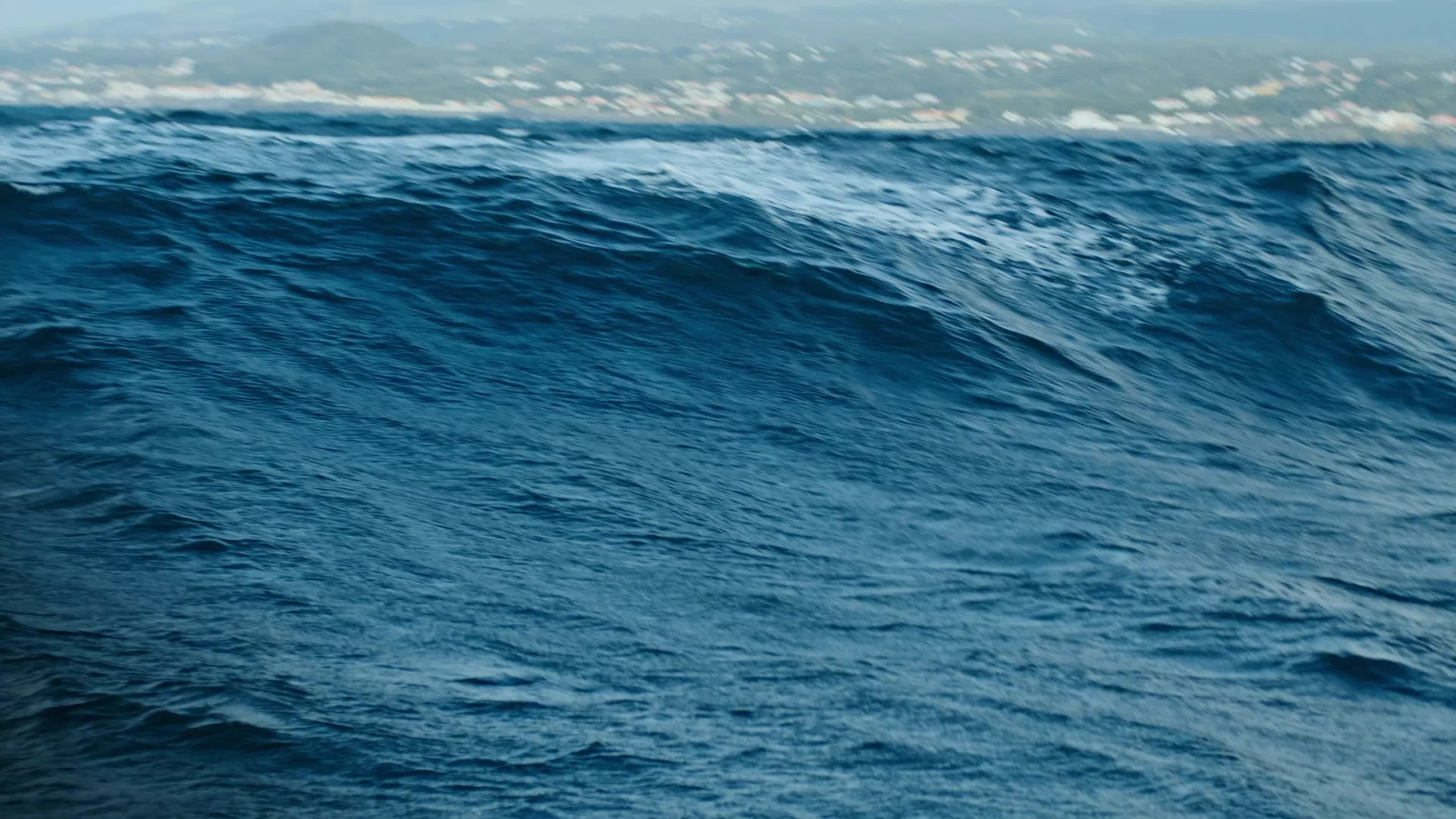
An ocean wave — a frame from our expedition

SAILING MAN / SAILING SCHOOL PRO

OFFSHORE

Further from shore.
Closer to yourself.

Offshore training for skippers

Sails · Safety · Weather · Crew

What we will do ↗

01 / THE NEXT CHAPTER

Already a skipper.
What comes next?

You have sailed along the coast. Now you want to feel more confident when passages are longer, winds are stronger and the nearest shelter is still some way off.

Azores, Canaries, Lofoten, the open ocean. Here, handling the yacht is only part of the picture. You need to notice changes early: in the weather, the boat’s condition and your crew’s morale and energy.

These are the decisions we explore offshore. How to prepare for a passage. When to reduce sail. What to do when the original plan no longer works. And how to remain the calm person your crew can rely on.

YOUR WAY INTO PRO

For the Offshore qualification: an Inshore licence and a total of 600 nautical miles by the end of the course.

Explore the requirements ↘

02 / WHAT WE PRACTISE ABOARD

Understand the boat.
Know how to act.

Every skill relates to a real onboard task. We repeat exercises, swap roles and review decisions.

01 / SAILS

Reefing until it becomes second nature

Understand loads and how sail trim changes the boat’s behaviour. Learn to reduce heel and stay in control before conditions become uncomfortable.

  • Trim, boat balance and twist.
  • Reefing in strong winds, at night and under time pressure.
  • Assigning roles and following a clear sequence.
  • Controlling the yacht under sail and choosing the right sail area.
Make reefing an everyday skill, rather than a major event.

02 / WEATHER & HEAVY WEATHER

Prepare in advance

Start with the essential question: how to avoid a storm. Compare forecasts and GRIB models, plan routes, identify shelter and keep your options open.

  • Weather windows, wind, waves and route limitations.
  • Yacht preparation, checklists and heavy-weather briefings.
  • Working with waves and responding to deteriorating conditions.
  • Watches, rest and managing crew fatigue.
Sometimes the right decision is to stay in port.

03 / SAFETY

When something goes wrong

Practise emergency procedures: who handles the boat, who helps the casualty and who calls for assistance. Coordinated action matters, even when everyone is frightened.

  • Man overboard by day and at night.
  • Fire, power failures, leaks and temporary repairs.
  • Engine failure in an awkward location.
  • VHF, MAYDAY, PAN-PAN, EPIRB and AIS.
We discuss and practise emergency scenarios under instructor supervision.

04 / THE SKIPPER’S MINDSET

Your crew feels your mood

A skipper leads people as well as a boat. Learn to recognise fear, fatigue and misunderstandings, give clear instructions and maintain boundaries without shouting.

  • Roles, responsibilities and agreements aboard.
  • Leadership and calm communication.
  • Responding to fear and panic in the crew.
  • Reviewing mistakes without blaming people.
Calm begins with preparation and trust.
Reviewing a route on a nautical chart
01 / First, the plan. Charts, forecasts and decisions before departure.
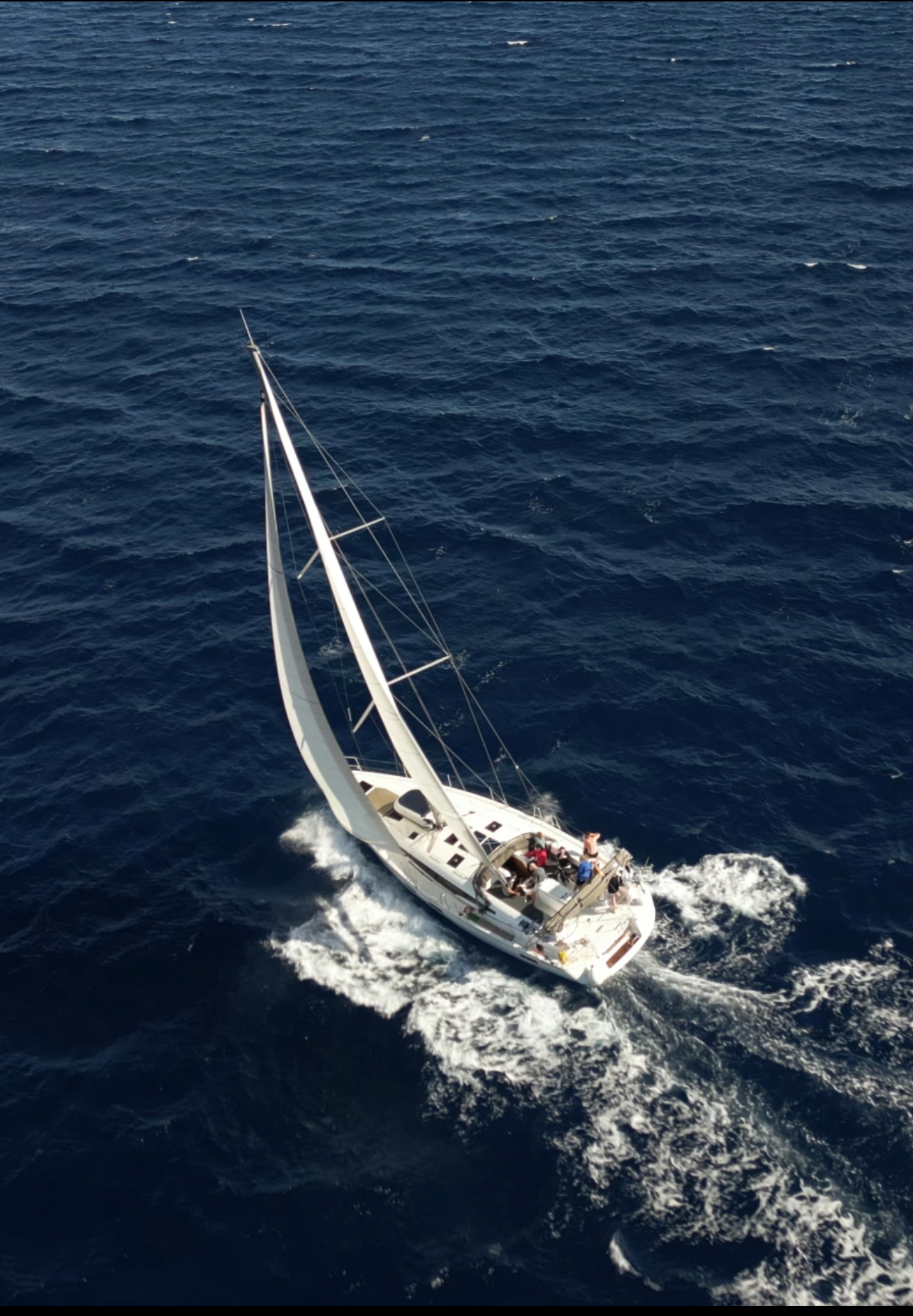
A sailing yacht in the Atlantic — footage from the Azores
02 / Then, the sea. Test those decisions on a real passage.
Working a winch — practical sailing in the AzoresAnton and the crew handling sails

03 / HOW THE TRAINING WORKS

Watch.
Try.
Make it your own.

First I explain and demonstrate. Then you do it yourself. Finally, you explain the what, how and why to another person — the teach-back method. It quickly reveals which skills are yours and which need another go.

  1. 01TheoryA brief explanation of the task and why it matters.
  2. 02DemonstrationThe instructor demonstrates the sequence aboard.
  3. 03PracticeYou perform the task, with feedback.
  4. 04Teach-backExplain and demonstrate it to another participant.
  5. 05DebriefDiscuss decisions, mistakes and the next attempt.
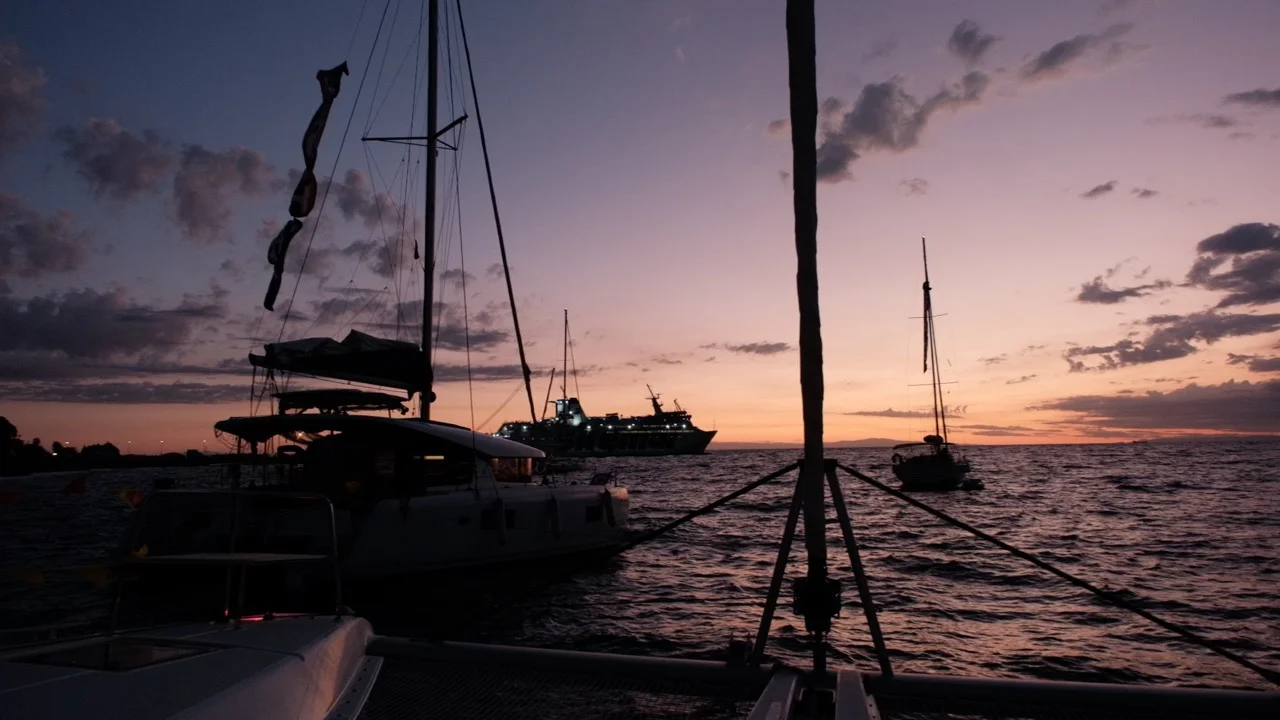
An evening passage in the Azores

04 / IT IS ALSO AN ADVENTURE

There is time
for the ocean and for life.

We explore the region, go ashore, rest and listen to music. Sometimes I play SAIL sets in places where the sound feels especially right. In the Canaries, training takes up around 30% of the expedition, during passages and in marinas. The rest is time to experience the islands and the journey.

05 / AFTER THE COURSE

From our
skippers

Excerpts from participants’ reviews. Full review cards are in my post.

The practical course taught me to take responsibility for the boat, improved my teamwork and introduced me to wonderful people I now charter with independently.
Max Offshore course participant
My main lesson was that everything depends on the crew. Clear roles, preparation and a calm skipper shape the atmosphere aboard and help everyone act confidently, even in difficult situations.
Grisha Offshore course participant
There was so much to learn. We had time to explore reefing, anchor handling and other practical details thoroughly.
Yulia Offshore course participant
Read the original reviews ↗
Night watch aboard a sailing yacht

06 / EXPERIENCE & QUALIFICATIONS

What you need
for Offshore

Want to join but unsure about your experience? Let’s discuss it personally.

Message Anton ↗
01

An Inshore licence

This is the main requirement for obtaining an Offshore licence. If you hold an IYT or RYA Inshore qualification, our school can arrange conversion to ISS.

Conversion and issue cost 450 €. We will review your documents before enrolment.

02

600 nautical miles

In total by the end of the course. We count your previous experience and the miles sailed during training. You do not need to sail all 600 miles in one expedition.

If you are unsure, message me directly. We will discuss your experience and whether the course is right for you.

07 / QUESTIONS BEFORE YOU JOIN

Let’s
work it out

Answers in the cards ↗
How is offshore training different from the basic practical course? +

There is more focus on longer passages, self-sufficiency, weather, yacht preparation and skipper decisions. We connect technical skills with the safety of the whole crew.

What if I am not a very experienced skipper yet? +

Tell me where and how much you have sailed, in what role and with which qualification. We will discuss whether the course suits you now and how to gain the experience you need. Your instructor is nearby, demonstrating, practising and reviewing every skill with you.

Do I need to sail all 600 miles on the course? +

No. You need a total of 600 nautical miles by the end, including previous passages. Before enrolment, we discuss your existing mileage and the particular expedition’s programme.

Will we definitely encounter a storm? +

The weather does not follow our training plan. We do not seek storms for excitement: we learn to assess conditions early and make safe decisions. Exercises are chosen for the actual weather and the crew’s readiness.

Will there be time to explore the islands? +

Yes. In the Canaries, the course is part of the expedition and takes around 30% of the time. Between sessions, we explore, rest and travel with the rest of the crew.

What does the €600 Canary course fee include? +

Offshore training and delivery of the Offshore licence. Expedition participation is paid separately. If you need to convert Inshore to ISS, it costs €450. We discuss experience and document requirements before enrolment.

The volcanic coast of the Canaries and the open ocean — our expedition
CANARIES / ATLANTICBeyond the next headland.

08 / WHERE TO TRAIN

Canary Islands
2–9 January 2027

Tenerife · La Gomera · La Palma

Atlantic passages, islands and offshore training with Anton Timokhin.

Explore the expedition ↗

IN ADDITION TO THE EXPEDITION

600 €

Course and delivery of the Offshore licence.

The expedition price and additional expenses are listed on the Canary page. Inshore conversion, if needed, costs €450.

Discuss joining with Anton ↗
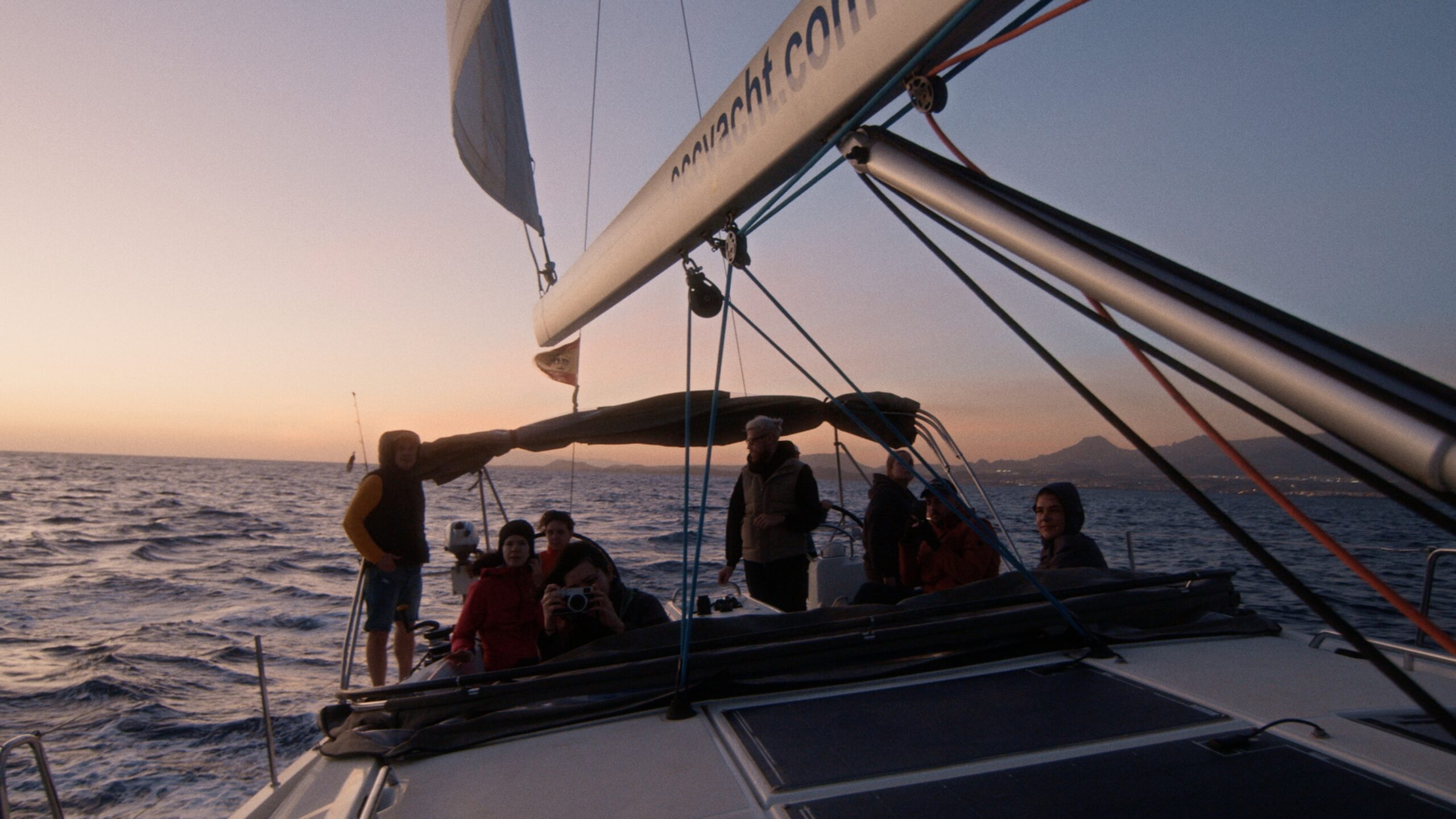
The crew under sail at sunset

SAILING MAN SCHOOL / PRO

Your next step
is at sea.

Discuss my experience ↗Visit the sailing school ↗